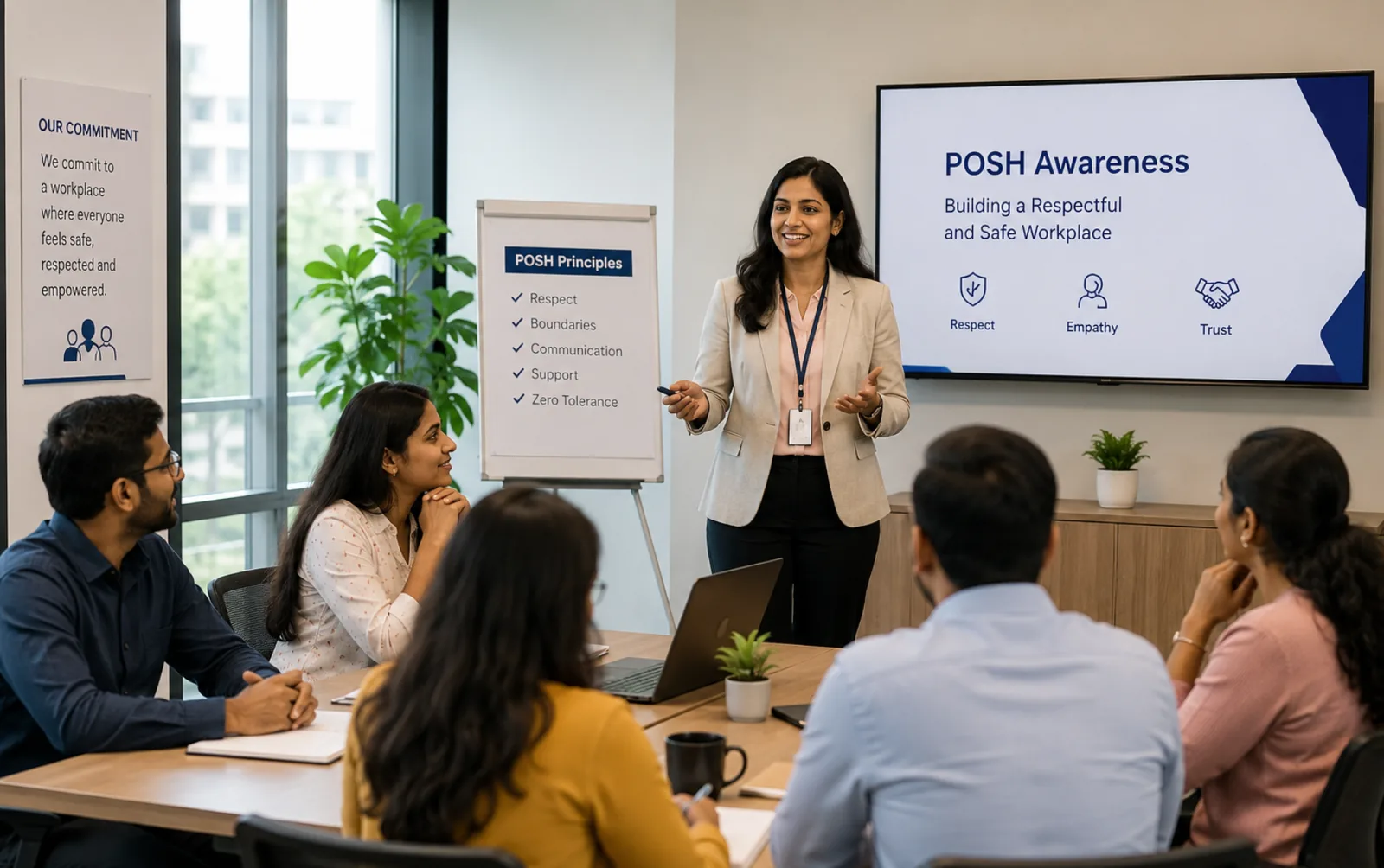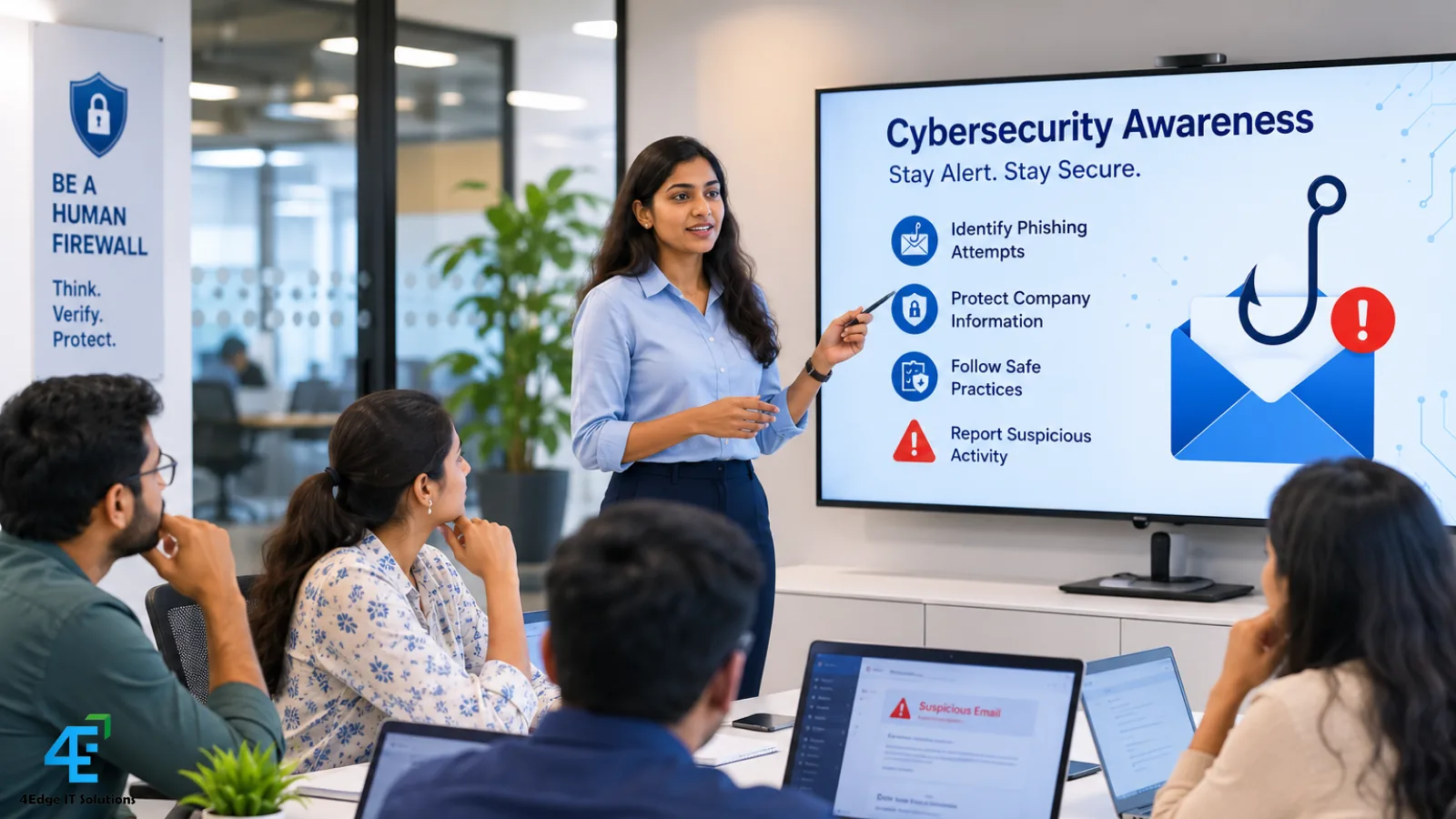
Most compliance training programs are built to satisfy an auditor, not to change how people actually behave. That's understandable — audit requirements are concrete and deadline-driven, while behavior change is harder to measure and easier to defer. But the two goals aren't actually in tension. A program designed well satisfies both, and one designed poorly eventually fails at both, because auditors are increasingly testing for genuine understanding, not just completion records.
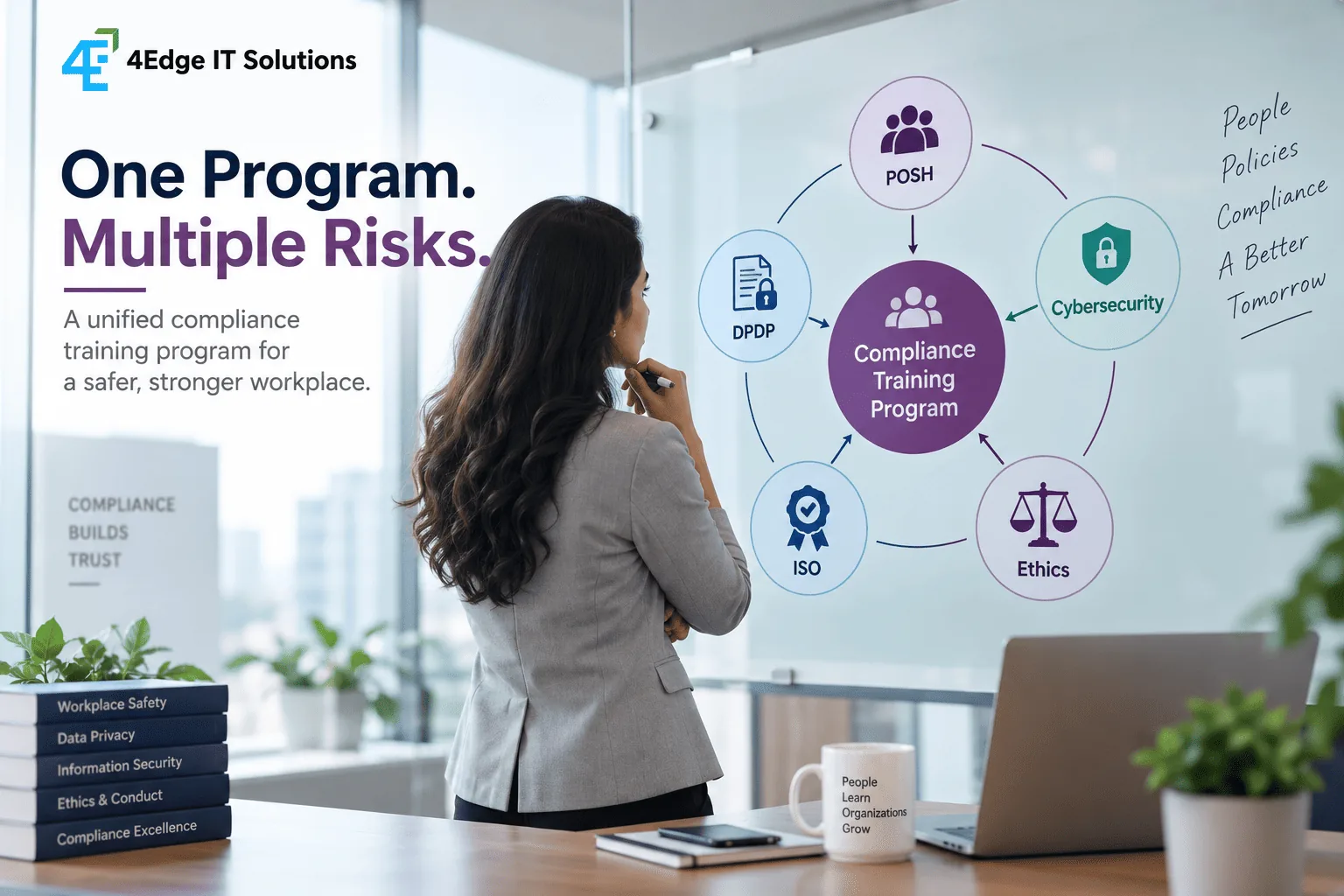
If you're consolidating POSH, DPDP, cybersecurity, ISO, SOC 2, and workplace ethics training into a single coherent program, this is a complete framework for designing it properly, rather than stacking separate mandatory modules that compete for the same limited employee attention.
Why Most Compliance Training Fails to Change Behavior
It's designed around legal minimums, not actual risk. Programs built purely to satisfy "what's legally required" often miss the specific behaviors most likely to cause real problems in your particular organization.
It's delivered once and forgotten. A single annual session, disconnected from daily work, rarely survives past the week it was completed. Behavior change requires reinforcement, not a one-time event.
It's generic, not organization-specific. Off-the-shelf compliance content that never references your actual policies, systems, or past incidents reads as background noise that employees mentally check out of.
Different compliance topics compete for the same limited attention. Employees hit with POSH, DPDP, cybersecurity, and ISO training as separate, disconnected mandatory modules experience genuine "compliance fatigue," and retention across all of them suffers as a result.
A Four-Part Framework for Designing Your Program
Part 1: Risk Mapping
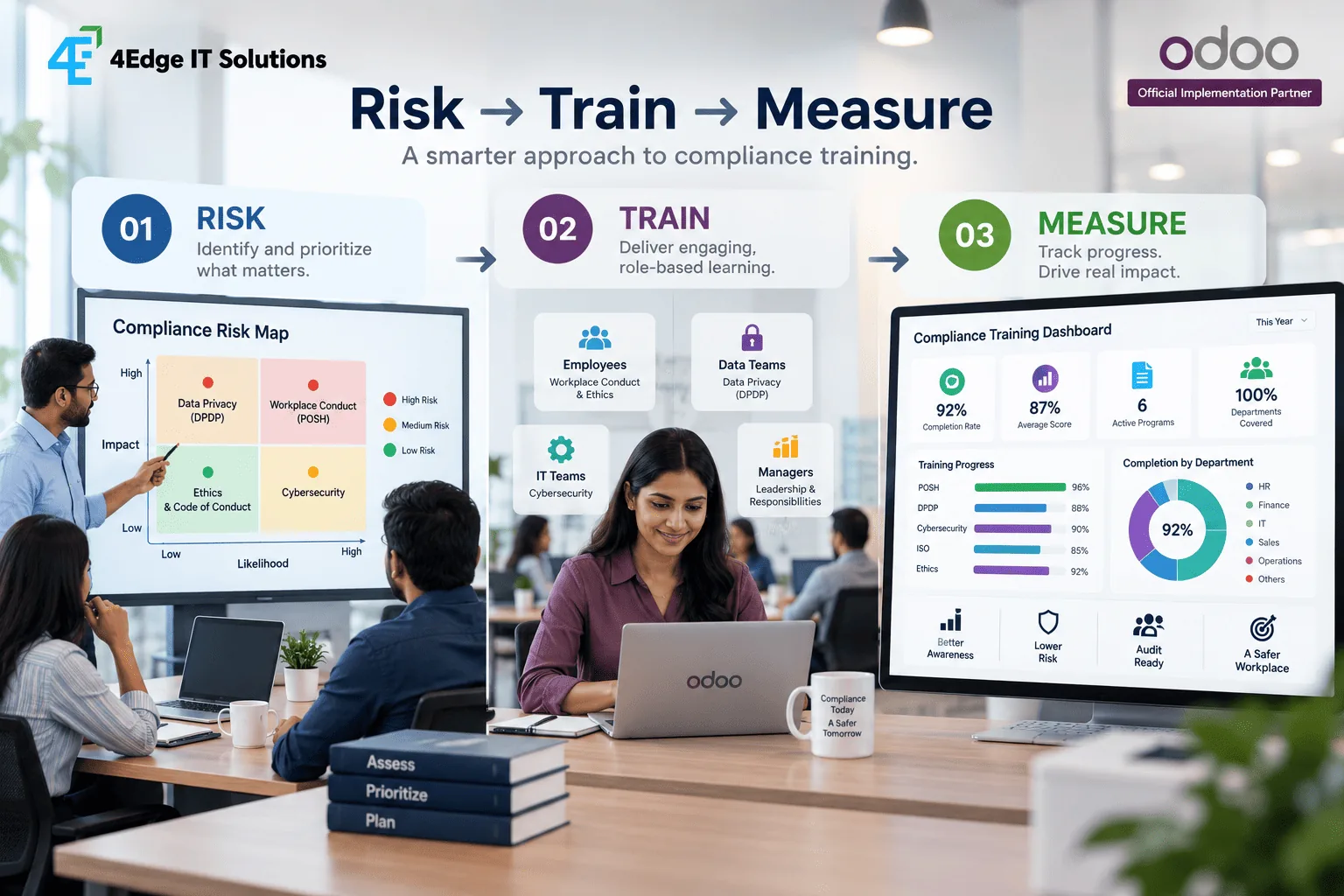
Start with a risk map, not a training calendar. Before deciding what to build, identify which compliance areas carry the highest actual risk for your organization — regulatory exposure, industry-specific requirements, past incidents — and prioritize training investment accordingly, rather than treating every topic as equally urgent by default.
A useful exercise: list every compliance area you're currently addressing (POSH, DPDP, ISO, SOC 2, cybersecurity, ethics), and score each on likelihood of an incident and severity of consequences if one occurs. This ranking, not a generic industry template, should drive how much training time and budget each area receives.
Part 2: Program Architecture
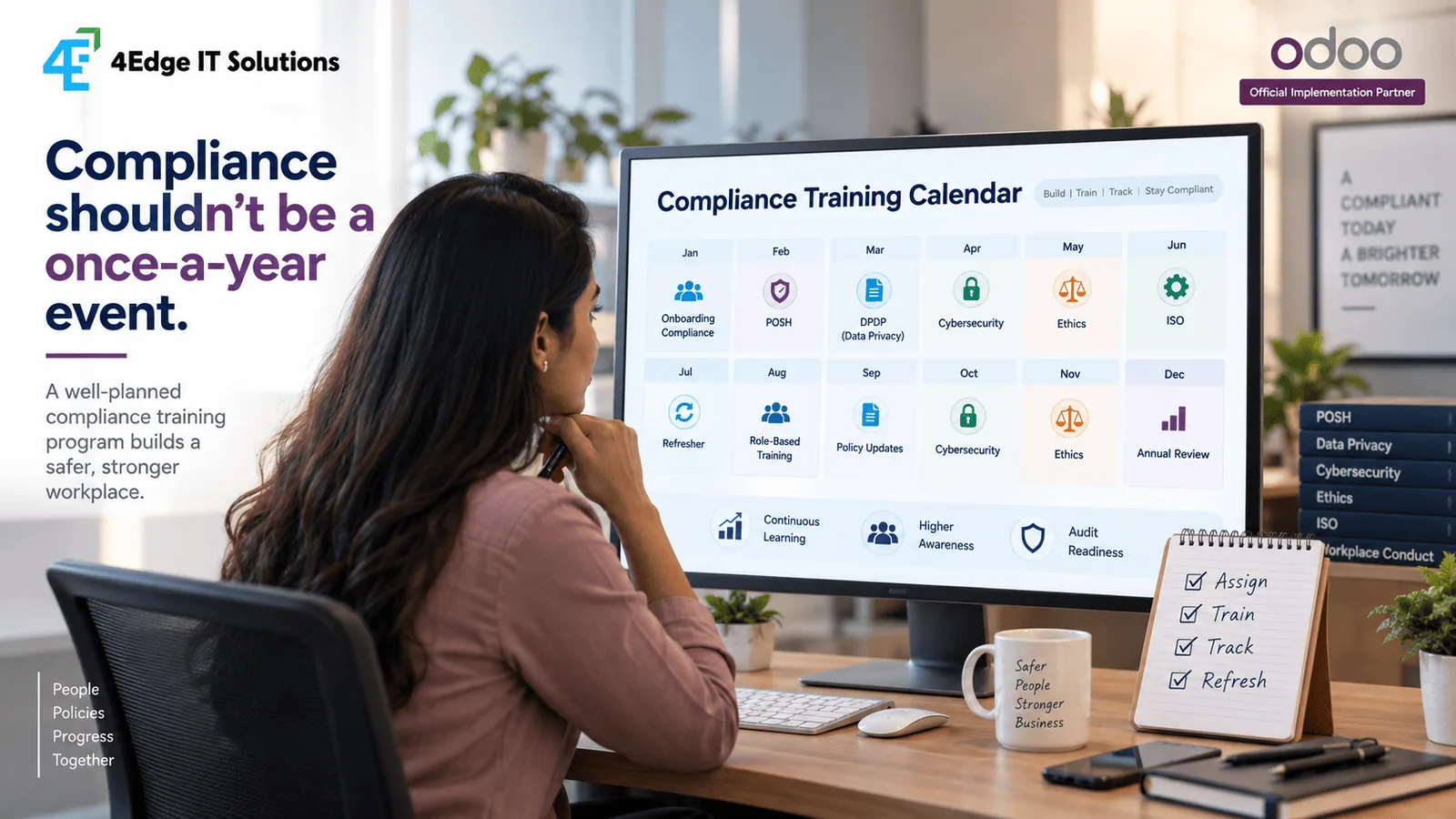
Build a unified compliance calendar, not siloed programs. Rather than POSH, DPDP, and ISO training each run as separate, uncoordinated initiatives by different owners, sequence them across the year so employees experience one coherent program instead of a barrage of disconnected mandatory trainings landing at random intervals.
A well-sequenced annual compliance calendar typically includes:
- Onboarding foundation — core compliance modules every new hire completes before or during their first weeks
- Quarterly focused refreshers — rotating through key topics (data privacy, workplace conduct, security awareness) rather than a single annual mega-session covering everything at once
- Role-specific deep dives — additional training for employees whose roles carry specific compliance exposure (finance, IT, customer data handling)
- Leadership-specific sessions — covering manager-specific responsibilities like handling reports, conducting fair investigations, and modeling expected behavior for their teams
This structure spreads training load throughout the year, keeps individual sessions short and focused, and produces a stronger continuous audit trail than a single annual push ever could.
Part 3: Content Design
Segment content by role and risk exposure. A sales team's data privacy risk differs meaningfully from an engineering team's; a generic, one-size-fits-all module under-serves both groups. Role-based tracks make every session more relevant and measurably improve completion quality.
Use scenario-based content, not policy recitation. Presenting realistic situations and asking employees to work through the right response builds actual judgment. Reading a policy document builds, at best, short-term recall of rules employees don't know how to apply in the moment they matter.
Make reporting and escalation paths crystal clear within the training itself. A technically excellent training program still fails its real purpose if employees don't know exactly how to report a concern, or don't trust that doing so is safe from retaliation.
Part 4: Platform and Measurement
Compliance training at scale needs more than a folder of PDFs and a sign-in sheet. Look for a platform that supports:
- Automated completion tracking with timestamped, exportable records for audit purposes
- Role-based content assignment, so employees automatically receive training relevant to their specific function
- Recurring and refresher scheduling, rather than manual re-assignment each cycle
- Reporting by department and individual, so gaps are visible before an auditor or an actual incident finds them first
A purpose-built compliance LMS earns its cost quickly once you're managing more than two or three overlapping compliance programs simultaneously — the administrative overhead of tracking everything manually scales faster than most teams expect it to.
What This Costs and How Long It Takes
As a general planning range for Indian organizations building a unified compliance program in 2026:
- Consolidating existing scattered programs into one calendar and platform, without major new content development: typically 6–10 weeks and ₹2–₹5 lakh, depending on how much existing content can be reused
- Building a full program from scratch, including scenario-based content across POSH, DPDP, ethics, and industry-specific standards: typically 3–5 months and ₹8–₹20 lakh, depending on organization size and number of compliance areas covered
- Ongoing platform and content maintenance: budget for continuous refresh, not a one-time build — compliance requirements and organizational risk change year over year
Measuring Whether the Program Is Actually Working
Completion rate alone doesn't tell you whether behavior changed. Track:
- Knowledge check scores, not just completion, to gauge genuine comprehension rather than passive click-through
- Reporting volume trends — a rise in legitimate reports after training often signals increased awareness and trust, not a worsening underlying problem
- Incident patterns over time, comparing periods before and after program launch
- Completion consistency across departments and seniority levels, since gaps at the leadership level carry disproportionate organizational risk
Common Mistakes to Avoid
Building each compliance topic in isolation. Separate teams building separate POSH, DPDP, and ISO programs without coordination creates redundant content and an inconsistent employee experience across programs that should feel unified.
Prioritizing audit readiness over actual behavior change. A program built purely to produce clean completion records for auditors, without genuine engagement, tends to eventually fail both goals — auditors are increasingly testing comprehension, not just attendance records.
No executive visibility into program effectiveness. Compliance training often runs entirely within HR or Legal with no reporting up to leadership, until an incident forces the conversation — at which point the response is reactive rather than proactive.
Getting Started
If you're currently running compliance training as a set of disconnected annual obligations, the highest-leverage first step isn't more content. It's consolidating existing programs into a single calendar and a single platform. The coordination itself is often what turns a checkbox exercise into a program that measurably reduces organizational risk.
Frequently Asked Questions
How long does it take to build a complete compliance training program? Consolidating existing scattered training into a unified calendar and platform typically takes 6–10 weeks. Building a comprehensive program from scratch, with new scenario-based content across multiple compliance areas, usually takes 3–5 months.
What compliance areas should be included in a single unified program? Most Indian organizations coordinate POSH, DPDP (data privacy), workplace ethics and code of conduct, and industry-relevant standards like ISO or SOC 2 within one calendar, even when specific content and legal ownership differ by topic.
Do we need a dedicated compliance LMS, or can we use our existing HR system? It depends on scale. Organizations managing two or more overlapping compliance programs typically benefit from a platform with automated tracking, role-based assignment, and audit-ready reporting — features general HR systems often don't provide in sufficient depth.
How do you get leadership buy-in for investing in a proper compliance training program? Frame it around risk exposure and audit findings rather than training quality alone — leadership typically responds to the cost of compliance failures (regulatory penalties, audit findings, reputational damage) more directly than to training completion metrics.
How often should a compliance training program be reviewed and updated? At minimum annually, and immediately after any regulatory change, policy update, or significant internal incident. Compliance requirements and organizational risk profiles change over time — a program built once and left static becomes outdated faster than most teams expect.
Ready to design a compliance training program that covers POSH, DPDP, cybersecurity, and more in one coordinated calendar? Our Compliance Readiness Toolkit includes a full annual planner — download it to build your program.
Primary sources
- The Sexual Harassment of Women at Workplace (Prevention, Prohibition and Redressal) Act, 2013 (India Code, Government of India)
- Digital Personal Data Protection Act, 2023 and DPDP Rules, 2025 (Ministry of Electronics and Information Technology (MeitY))
- ISO/IEC 27001:2022 Information security management systems (International Organization for Standardization (ISO))
- SOC 2: SOC for Service Organizations: Trust Services Criteria (AICPA & CIMA)
About the author
4Edge Compliance TeamCompliance Training Specialist
Designs compliance training programs at 4Edge IT Solutions covering POSH, the DPDP Act, cybersecurity awareness, ISO and SOC 2 readiness, and workplace ethics for Indian organisations.